Rematch Tactics: The 5v5 Formations That Actually Hold Up

Rematch, released by Sloclap on 19 June 2025, is 5v5 football with no fouls and no offside. Each player controls one character for the whole match, which changes what a formation even means: nobody can cover for a team-mate who wandered off.
So the shape you pick matters less than whether the five of you agree on it. Below are the three that hold up, four tactics worth learning, and the mistakes that lose close games.
The Basics of Rematch: Why Tactics Matter
Rematch is not a football simulation. No offside, no fouls, no stoppages. Each of the five players takes one role: goalkeeper, defender, midfielder or forward, and stays in that body all game. Shooting well matters, but the games that get away are usually lost to shape and to energy, not to finishing.
Popular Formations and Squad Suggestions
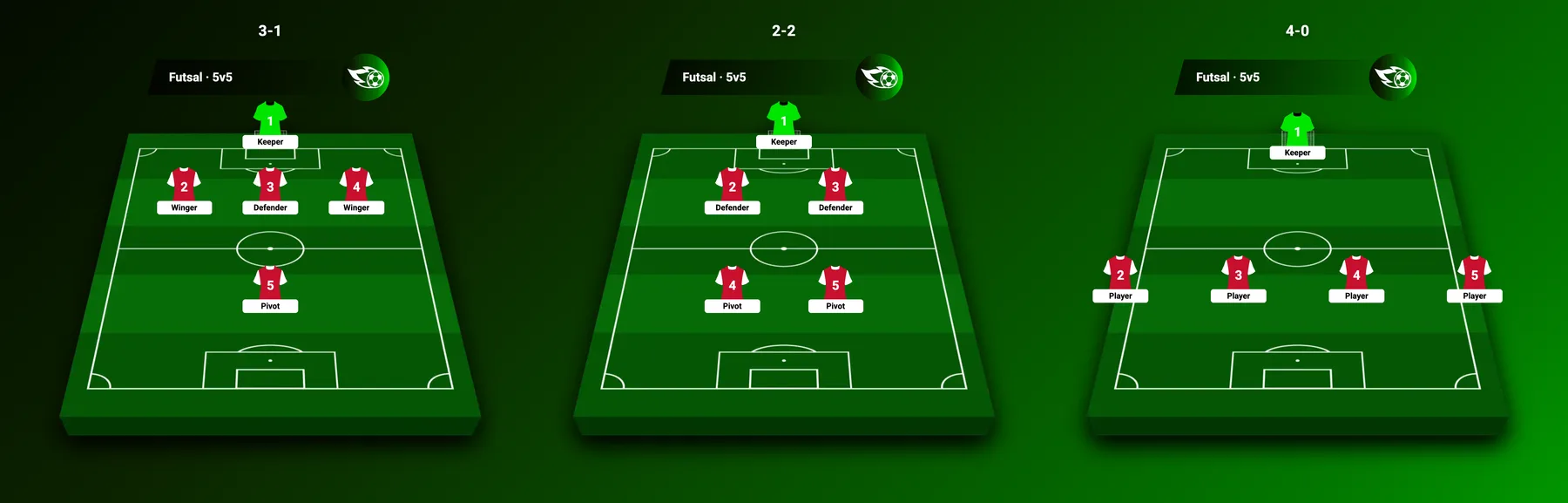
When building your squad in Rematch, you need to choose a formation that suits your team's playstyle. Here are the most effective 5-player formations and their strengths:
| Formation | Shape | Best at | Where it breaks |
|---|---|---|---|
| 2-1-2 | 2 defenders, 1 midfielder, 2 forwards | Constant pressure, fast attacks | Gaps at the back; drains energy |
| 1-3-1 | 1 defender, 3 midfielders, 1 forward | Controlling the middle | The lone forward gets isolated |
| 2-2-1 | 2 defenders, 2 midfielders, 1 forward | Absorbing pressure and countering | Not enough bodies in attack |
Read the last column first. All three shapes score; what separates them is what they hand over when it goes wrong.
The 2-1-2 wants a sprinter and a finisher up front and accepts that the single midfielder will be overrun. The 1-3-1 is the one to pick if your group passes well, because three midfielders can hold the ball. The 2-2-1 is for when the other team is better than you.
Rematch Tactics
To succeed in Rematch's dynamic gameplay, adapt your tactics to your squad's formation and the opponent's style. Here are four key tactics to use on the field:
1. High Press Strategy
- How it works: All players press aggressively in the opponent's half. Forwards and midfielders harass the opposing defense when they try to play out.
- Use it when: Against teams that play slow passes or are prone to defensive errors.
- Tips:
- Monitor your energy bar; high pressing is exhausting.
- Push your goalkeeper forward to intercept long balls.
- Once you win the ball, use quick short passes to move into the box.
- Risks: leaves gaps at the back. A fast opponent punishes it immediately.
2. Wing Play
- How it works: Spread the ball to the wings to stretch the opponent's defense. Fast wing players create danger with dribbles or crosses.
- Use it when: When the opponent crowds the center with defenders.
- Tips:
- The 2-1-2 formation is ideal for this tactic.
- Choose wing players with "fast run" abilities.
- Have your midfielders support with long passes to the wings.
- Risks: if the wings get blocked, the centre is usually already crowded.
3. Counter-Attack
- How it works: Stay solid in defense, then quickly get the ball to your forward after winning possession. Even a single speedy forward can score.
- Use it when: Against teams with strong attack but weak defense.
- Tips:
- The 2-2-1 formation is perfect for counters.
- Goalkeeper and defenders should feed the forward with long balls.
- Ensure your forward has high speed and dribbling stats.
- Risks: losing the ball repeatedly wears the defence down.
4. Possession Control
- How it works: Keep the ball with short passes, tiring out the opponent by making them chase. Create triangles in midfield to find gaps.
- Use it when: Against teams that press aggressively.
- Tips:
- The 1-3-1 formation works best for this tactic.
- Select players with high passing accuracy.
- Be patient, circulate the ball until the opponent makes a mistake.
- Risks: too slow, and you hand the initiative back.
In-Game Pro Tips
- Energy management: every player has an energy bar, and sprinting and pressing drain it. Pace yourself. Running out in the last five minutes is how most close games are lost.
- Role clarity: define each role before the match. For instance, one midfielder focuses on winning the ball while another supports the attack.
- Read the opponent: are they high-pressing? Tire them out with possession. Using the wings? Keep your defense wide.
- Goalkeeper: yours is not a shot-stopper who waits. Long clearances and quick rushes start attacks, and in a 5v5 that is often the fastest route to a goal.
- Practice mode: test shapes there before taking them into ranked. Private matches with the same four people build more than any guide.
Team Communication and Preparation
- Pre-match planning: agree roles on Discord or in-game voice before kick-off, not during.
- Mid-game changes: adapt the formation to what the opponent is doing. Switch to 2-1-2 if you are trailing.
- Keeping up: popular tactics in the Rematch community shift over time. Player posts on X and match analyses on YouTube are where the changes show up first.
Where to start
The single biggest gain in Rematch is not a formation. It is five people who agreed, before kick-off, who presses and who stays. Everything above is a way of making that agreement quicker.
If it helps to see it drawn, the 5-a-side lineup builder opens with the five-player formations already set, and you can share the image in your group chat before you queue. The same logic scales up: if you also play real small-sided football, the amateur formation guide covers picking a shape for a team that does not train, and the full formations guide compares every system side by side.