The Stars Who Joined the Turkish Süper Lig in 2026: Salah, Lukaku, Vlahovic and the Rest
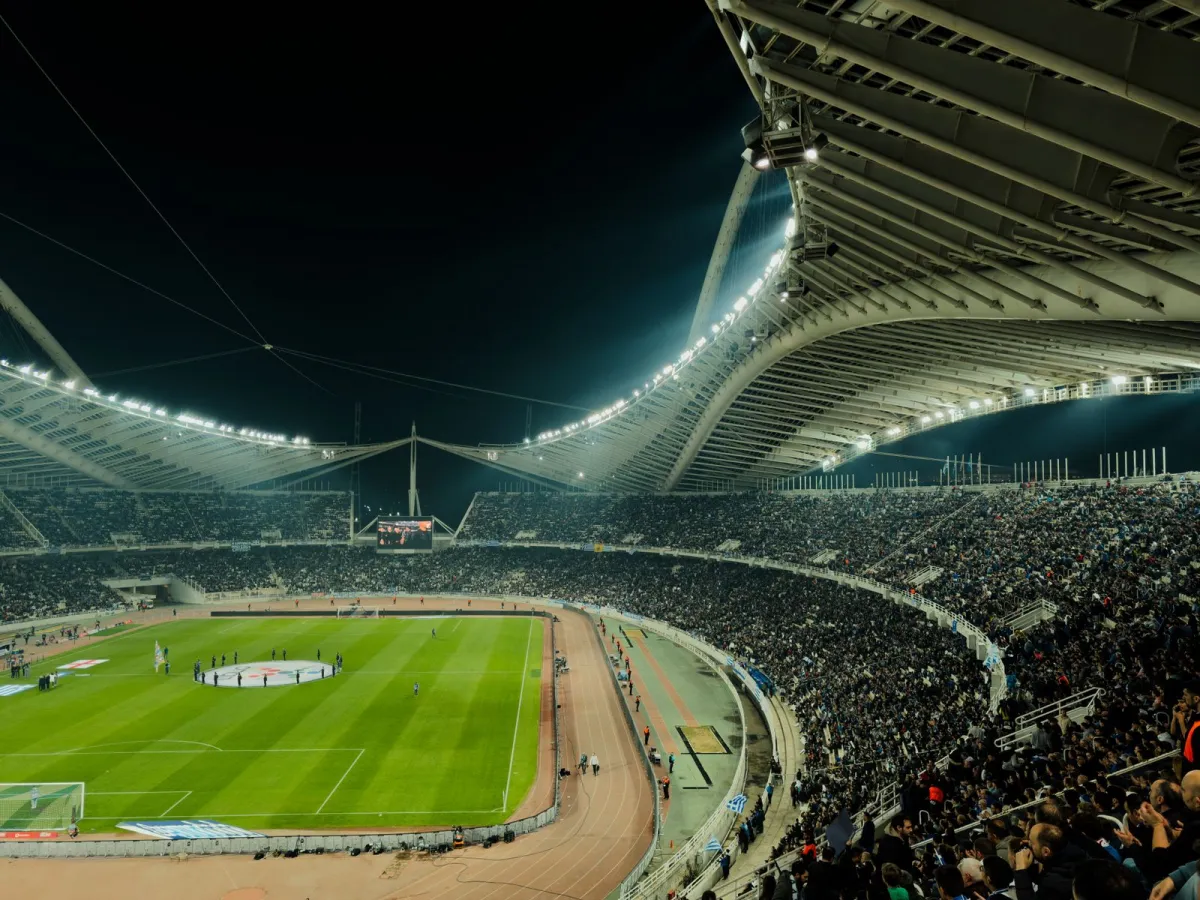
When Mohamed Salah walked out at Papara Park on 6 August, what he said was that he had never experienced anything like it in his life.
Coming from a player with nine seasons at Liverpool and a Champions League medal, that sentence tells you most of what this summer has meant for the Turkish top flight.
The window in one table
The 2026-27 registration period opened on 22 June and closes on 4 September. The league did not wait for it: the season kicked off on 14 August, and three matchweeks were played with the window still open.
| Club | Signings so far | Headline arrival |
|---|---|---|
| Trabzonspor | Busiest rebuild | Mohamed Salah |
| Beşiktaş | 8 | Leandro Trossard, Dusan Vlahovic |
| Fenerbahçe | 7 | Romelu Lukaku |
| Galatasaray | 2 (one loan) | Rafael Leao, Lesley Ugochukwu |
That last row looked very different in mid-August, when the champions had made one signing and it was a loan. On 30 August, Galatasaray filed the terms of the Rafael Leao deal and the table changed.
Trabzonspor: Salah
The remarkable part of Salah's move is not the fee. It is that there wasn't one.
He had a year left on his Liverpool contract but announced in March that he would leave, after a season in which he scored 12 goals and fell out publicly with then-manager Arne Slot. So Trabzonspor signed one of the most recognisable footballers in the world without paying a transfer fee at all, on a two-year deal at the age of 34.
The career behind that decision: 442 appearances for Liverpool, 257 goals, two Premier League titles, one Champions League.
The question of how quickly he would settle was answered faster than expected. He came off the bench in a quiet 1-1 opening draw with Kasımpaşa; in his first start, at home to İstanbul Başakşehir on 23 August, he scored both goals in a 2-1 win. Two more were ruled out by VAR, and the first one was only given after a review confirmed the ball had crossed the line.
Salah is not the whole story. Trabzonspor rebuilt more heavily than any of the other three clubs, bringing in Ruslan Malinovskyi from Genoa, Cenk Özkacar from Valencia and Aral Şimşir from Midtjylland among others.
In goal, André Onana is there on loan rather than as a signing, a second consecutive season from Manchester United. The loan fee is performance-related and worth up to £1.3 million, Trabzonspor cover the majority of his wages, and there is no option to buy. He made 33 competitive appearances in his first spell, conceding 40 goals and keeping 6 clean sheets, won the Turkish Cup and helped the club finish third. The goalkeeper is familiar; the forward line is entirely new.
Beşiktaş: Trossard and Vlahovic
Beşiktaş built their summer on two moves, and the two fit together.
Leandro Trossard arrived from Arsenal for €18 million plus €2 million in add-ons, making him the second most expensive signing in the club's history. The 31-year-old Belgian signed a 3+1 year deal on reported wages of €6.5 million a season, with the fee paid in six instalments over three years. Talks ran for around four months and accelerated once Trossard finished the 2026 World Cup with Belgium.
Dusan Vlahovic followed on 12 August. His Juventus contract had expired, so Beşiktaş paid no fee at all; the 26-year-old Serbia striker signed until the end of 2028-29 on reported wages of €8 million a season.
Putting them together was not an accident. Trossard drifts inside from wide and does his work around the edge of the box; Vlahovic is a penalty-box centre-forward who lives inside it. One of them vacates space and the other occupies it.
None of which has been seen yet. Vlahovic was only registered on 17 August, so he began the season behind the rest and started the opening weeks on the bench; Beşiktaş beat Eyüpspor 1-0 and then lost 1-0 at Alanyaspor to a 73rd-minute goal. The first full match with both on the pitch together is still ahead.
Add Alexander Nübel from Bayern Munich for €5m plus €5m in add-ons, and Salih Özcan from Borussia Dortmund on a free, and Beşiktaş have effectively rebuilt the spine of the team in one window. Orkun Kökçü appears on this summer's list too, but he is not a new arrival: he came on loan in 2025 and the purchase option was exercised this window.
Fenerbahçe: Lukaku
Fenerbahçe's biggest move landed on 12 August: Romelu Lukaku, after two seasons at Napoli, for a reported €6 million plus a €2 million option, on wages of around €10 million a year.
Next to Salah and Vlahovic that fee looks modest, and that is rather the point. Fenerbahçe spread this summer across the squad instead of concentrating it in one signing. Mason Greenwood came from Marseille for €39 million — the second biggest fee in Süper Lig history — with Nathan Ake arriving from Manchester City and Vedat Muriqi from Mallorca.
Ake is the least discussed and possibly the most stabilising of those. A defender who can play centre-back or left-back and has spent years in Premier League title races is exactly the kind of player you want standing behind all that attacking investment.
The opening weeks showed what the money bought. After losing 2-1 at Gençlerbirliği, Fenerbahçe beat Konyaspor 4-2 through Muriqi, Marco Asensio and two goals from Greenwood, then won 2-0 at Samsunspor. Lukaku's Süper Lig debut came in that Konyaspor win, on for Muriqi in the 69th minute.
Galatasaray: the silence ended on 30 August
For most of the window the champions had made one signing, and it was not even permanent: Lesley Ugochukwu, on a season-long loan from Burnley for a £3 million fee, with a conditional £22.5 million purchase option attached.
Then came Rafael Leao. Galatasaray filed the terms publicly on 30 August: a fixed fee of €38 million to Milan, a guaranteed net salary of €10 million a year for the 27-year-old Portugal winger, and a four-year contract. Milan are also due 20 percent of the profit on any future sale.
That fee is the third largest in Süper Lig history. The two above it are both on this page: Victor Osimhen at €75 million, also to Galatasaray, and Mason Greenwood at €39 million to Fenerbahçe. Two of the three biggest transfers the league has ever seen were done this summer.
Galatasaray are not finished either: a reported agreement in principle with Porto for Deniz Gül had not been made official as this was written. The window runs to 4 September.
What the first three matchweeks showed
The season was already under way while the transfers were being argued about. After three rounds, as of 30 August:
| Club | P | Pts | Results (own score first) |
|---|---|---|---|
| Galatasaray | 3 | 7 | Çorum 2-2, Erzurumspor 4-0, Göztepe 3-2 |
| Fenerbahçe | 3 | 6 | Gençlerbirliği 1-2, Konyaspor 4-2, Samsunspor 2-0 |
| Trabzonspor | 2 | 4 | Kasımpaşa 1-1, Başakşehir 2-1 |
| Beşiktaş | 2 | 3 | Eyüpspor 1-0, Alanyaspor 0-1 |
Galatasaray lead, but only on goal difference: Gençlerbirliği also have 7 points from three games. Trabzonspor and Beşiktaş play their third match on 31 August, so this table has a day left to live.
The leading scorer is not one of the summer's arrivals. Victor Osimhen has 5 goals in three weeks, and against Göztepe he added a goal, a backheeled assist and another goal ruled out by VAR. That is the context for spending €38 million on Leao: not a gap to fill, but a raise.
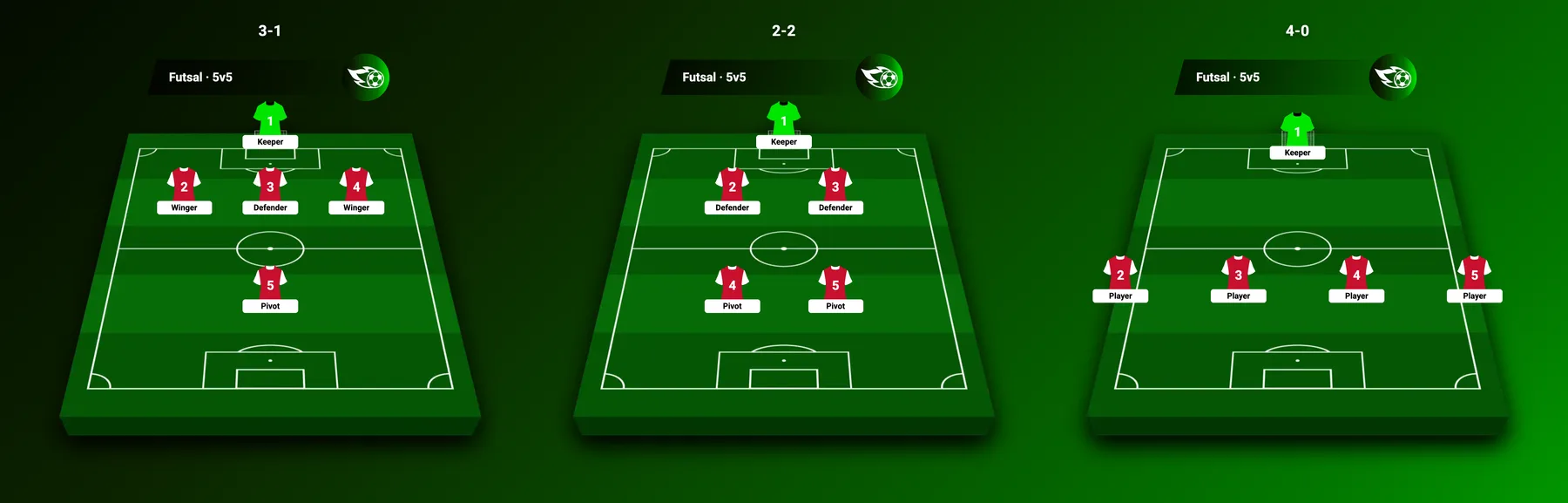
How might these teams actually line up?
Three matchweeks answered part of this. The rest is still open.
Which side does Salah play at Trabzonspor? His whole career has been built on starting from the right, cutting inside and shooting with his left — and both goals against Başakşehir came from exactly that habit. It demands a right-back who provides the width he vacates, which is a useful reminder that one player's position also defines the job of the player behind him.
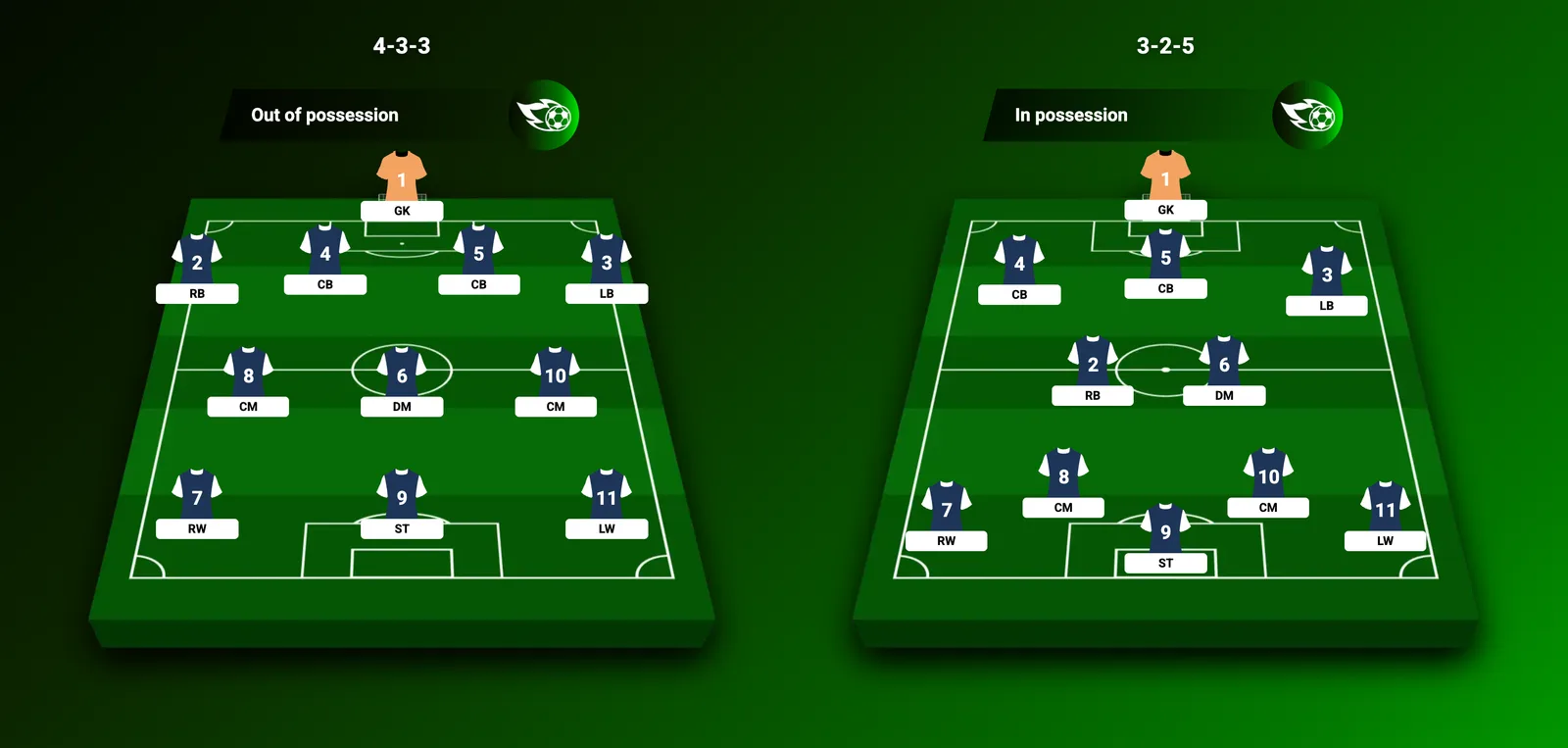
How do Beşiktaş fit Trossard and Vlahovic in together? Vlahovic as the lone striker with Trossard to his left or just behind him. A 4-2-3-1 is the most natural system for that pairing; a 4-3-3 pushes Trossard wider and asks more of him defensively.
How do Leao and Osimhen coexist at Galatasaray? Osimhen is a centre-forward who lives inside the box; Leao brings pace and one-v-one running from the left. That pair works best in shapes that leave a single striker ahead of an inside-cutting winger, provided a number ten like Gabriel Sara fills the space between them.
Can Lukaku and Greenwood start in the same Fenerbahçe XI? Lukaku gives you weight in the box, Greenwood a threat cutting in from wide — and Greenwood has already scored twice in three weeks. On paper they complement each other. The real question is how many central midfielders are left behind them.
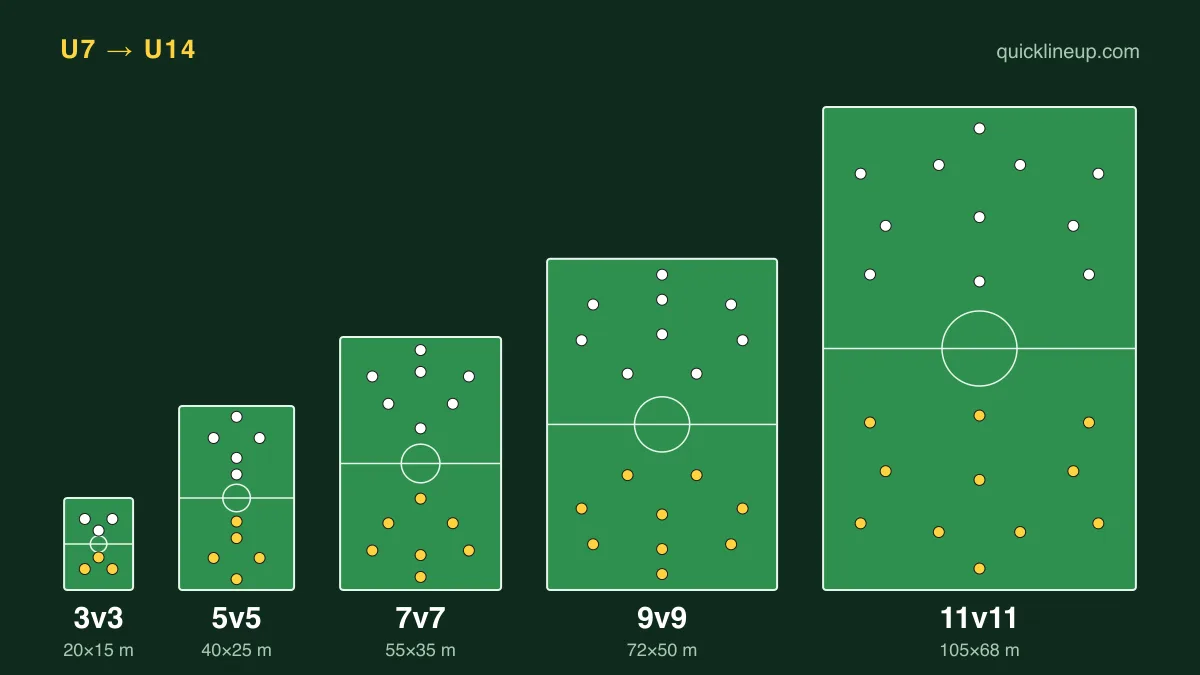
All of these come down to the same thing: eleven names on a team sheet are a list, but eleven players on a pitch are a structure. If you want to test your own version, the Süper Lig lineup builder loads any club's current squad in English. Each of the four also has its own page, in Turkish: Trabzonspor, Beşiktaş, Fenerbahçe and Galatasaray. The squads load the same regardless of the interface language. Placing the players and then switching formation to watch who moves is the quickest way to work out which pairings genuinely fit.
If you want the systems compared first, the complete guide to football formations covers every shape side by side.
Is this summer genuinely different?
The Süper Lig has signed big names before. What has changed is the profile: these are mostly not players at the end of their careers. Leao is 27, Vlahovic 26, Trossard 31, Lukaku 33. Salah at 34 is the oldest of them, and he was playing Premier League football last season.
Timing explains a lot of it. The 2026 World Cup finished in July, contracts expired in June, and Europe's biggest clubs are pushing to lower their average age. Those three things landing in the same summer opened a gap, and Turkish clubs were in a position to fill it.
Whether any of it works is not knowable at the end of August either; three matchweeks say very little about a season. What is clear is that all four clubs are finishing this window stronger than they started it, and that the title race, on paper at least, is more crowded than it has been in a long time.