What to Consider When Choosing Soccer Cleats?
 The thing that decides which cleat you need is the soleplate, not the model name.
Soleplates are built for specific surfaces, and the wrong one does one of two things: you slip, or the studs catch in the ground and your knee takes the load. Below we separate the soleplate types by their actual stud counts, then work through fit, materials, position and budget.
1. Match the soleplate to the surface
Start with where you actually play, not what the boot looks like.
FG, firm ground, is for natural grass. The soleplate carries 8 to 13 fixed studs of moderate length, long enough to grip and short enough not to sink. This is the plate for a local park pitch.
AG, artificial ground, is for synthetic turf. Stud count climbs to 14 and often past 20, and every stud is shorter and thinner than on an FG plate. Spreading the load over more contact points is what stops a stud catching, and a caught stud is where turf ankle and knee injuries come from.
TF, turf, is for short artificial turf and hard flat surfaces. Dozens of small rubber studs, none of which penetrate the ground, so grip comes from surface contact.
SG, soft ground, is for wet, muddy grass. Typically 6 to 8 screw-in metal or hard plastic studs: fewer of them, but longer, because the point is to sink in. They unscrew, so you can change stud length to match how soft the pitch is. Do not wear them on firm ground, where they damage the surface and raise your injury risk.
| Soleplate | Studs | Stud type | Surface |
|---|---|---|---|
| FG | 8-13 | Fixed, moderate length | Natural grass |
| AG | 14-20+ | Short and thin | Synthetic turf |
| SG | 6-8 | Screw-in metal, long | Wet, muddy grass |
| TF | Dozens | Short rubber | Short turf |
Read the stud-count column first. As the count goes up the studs get shorter, because the question is how the load is spread, not how hard you grip. Six long studs on a hard pitch put your whole weight through six points.
MG, multi-ground, exists for people who play on both. It never grips as well as the plate built for the surface you are on. If you play on two surfaces regularly, two pairs beat one compromise.
2. Fit
"I'll break them in" is the wrong plan. A boot should feel snug and comfortable from the first wear, because too loose costs you ball control and too tight ends your match early.
Try them on if you can, because brands are shaped differently: Nike runs narrow and sleek, Adidas wider, Puma slim and speed-focused, and an online deal on a last that is wrong for your foot is not a deal at any price.
Wear the socks you actually play in when you try them, and leave roughly 0.5 cm between your longest toe and the front of the boot. Enough to wiggle, not enough to slide.
Foot shape matters more than most people allow for. Wide feet do not belong in narrow molds, and high or flat arches need proper support unless you enjoy blisters.
One caveat on stretch: real leather gives a little over a few sessions, synthetic uppers barely give at all. So a snug leather boot will ease; a snug synthetic boot will stay exactly as snug as it is now.
3. Leather or synthetic
The upper affects durability and how the ball feels, and the two materials fail in different ways.
Leather, usually kangaroo, is soft and flexible and molds to your foot over time. It thins the layer between foot and ball, where synthetics keep a slight deadness you can feel on the first touch. The cost is water sensitivity and maintenance, so look for a treated, water-resistant version if you play in the rain.
Synthetic is lightweight, tough and usually waterproof, with the technology brands advertise: Nike's ACC, Adidas's grippy overlays. It lasts well and asks nothing of you. But since it will not stretch, the fit has to be right on day one.
Hybrids exist, with leather uppers over synthetic soles, and that is a reasonable middle ground rather than a compromise. Choose on how you play: precision and touch point to leather, speed and durability point to synthetic, and if you genuinely cannot tell which of those describes you, the hybrid is there for exactly that reason.
4. Position
Your role changes what you need from a boot.
Forwards want light: the Nike Mercurial and Adidas X lines are built for sprinting, which means less support and more speed. Midfielders want balance instead, something like the Adidas Predator Freak or Puma Future Z, with grip surfaces for passing accuracy and a sturdier sole to survive ninety minutes of box-to-box running without the foot sliding around inside the boot.
Defenders want protection. The Nike Tiempo and Adidas Copa Sense are the durable, higher-cut end of the range, and SG studs pair well with them on a muddy pitch.
Goalkeepers want grip and flexibility, so TF or AG soles handle the dives and quick pushes while a softer upper helps with distribution.
If you rotate positions, something versatile like the Adidas Nemeziz covers both ends of that range. Pick for the job you do most often.
5. What to spend
You do not need to spend a fortune, and the returns flatten out quickly.
Entry-level boots from Decathlon's Kipsta and similar are durable and comfortable, which is all a casual player needs. Mid-range, the Adidas Copa and Nike Phantom GT tier, is the sweet spot for anyone playing a few times a week: real technology, slow to wear out. Pro-level boots like the Nike Mercurial Superfly or Puma Ultra bring ultra-light frames and top-grade grip, and you will notice the difference only if the rest of your game is already there.
End-of-season clearances and holiday sales cut top-tier prices hard. Buy for the surface you play on, not the logo.
6. Style
Performance first, but the design is not nothing.
Bright colourways, the neon greens and reds of the Mercurial line, are for players who want to be seen, while black-and-white and the leather Copa look sit at the understated end, and some brands will put your name or number on them for a little extra.
Matching your boots to the team kit looks sharp. Worth something, just not more than the soleplate.
7. Care
Rinse the mud off with warm water and a soft brush after a game, and never put boots in a washing machine, which ruins the soles and the stitching. Stuff them with newspaper while they are wet and let them air-dry, because radiators and direct sun crack the material, then store them somewhere cool and dry, ideally in a shoe bag, which keeps both the smell and the shape under control. None of this takes more than a couple of minutes and all of it is the difference between boots that last a season and boots that last three.
Leather needs one extra step: a conditioner every few weeks.
Putting it together
Get the soleplate right first, then the fit, then everything else. Those two decisions account for most of the difference between a boot that helps you and one that gets you hurt, and neither of them costs extra. If you are kitting out a whole side rather than yourself, the same logic runs through our formation guide for amateur teams: match the equipment to the surface you actually play on.
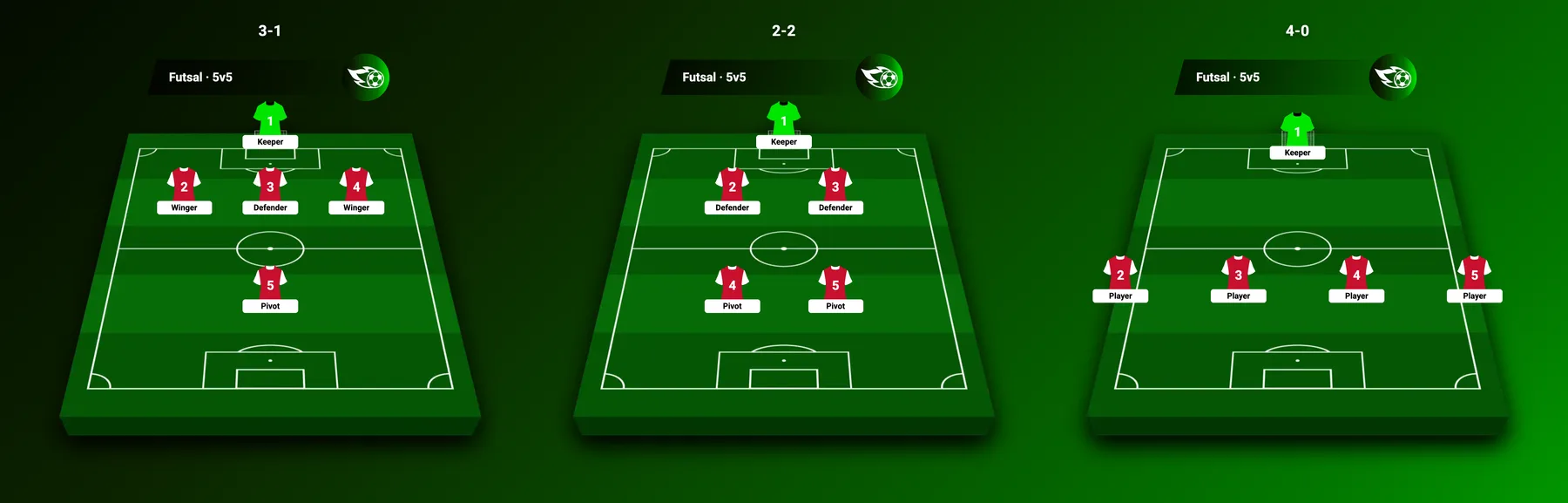
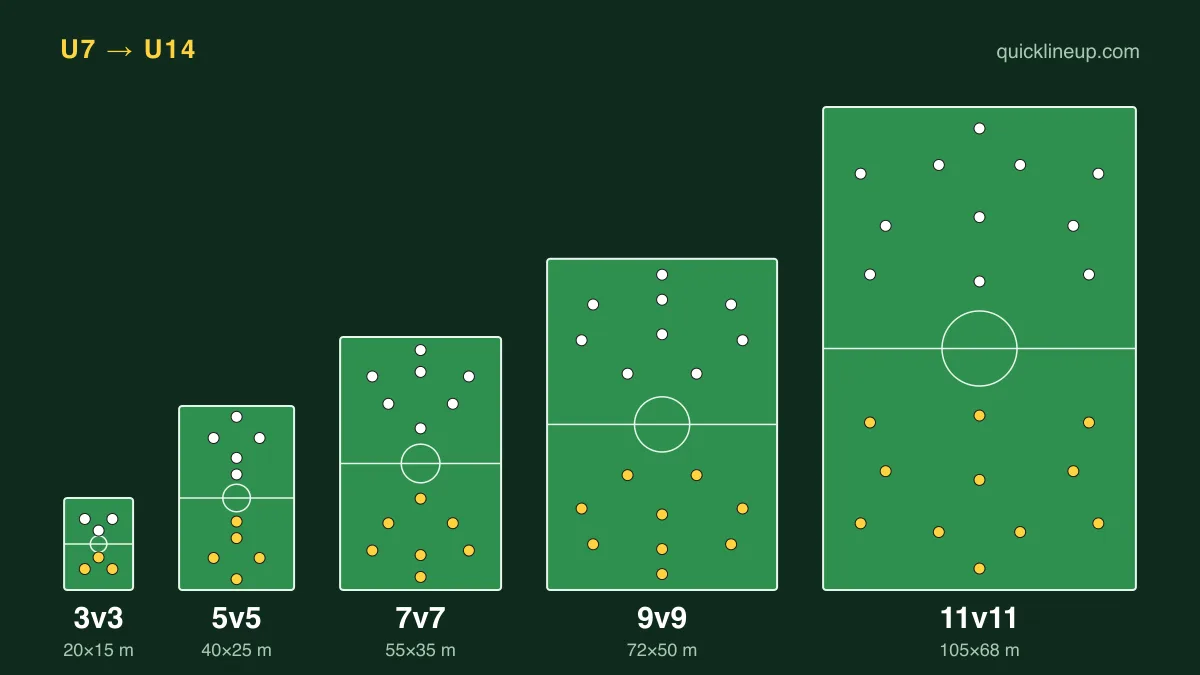
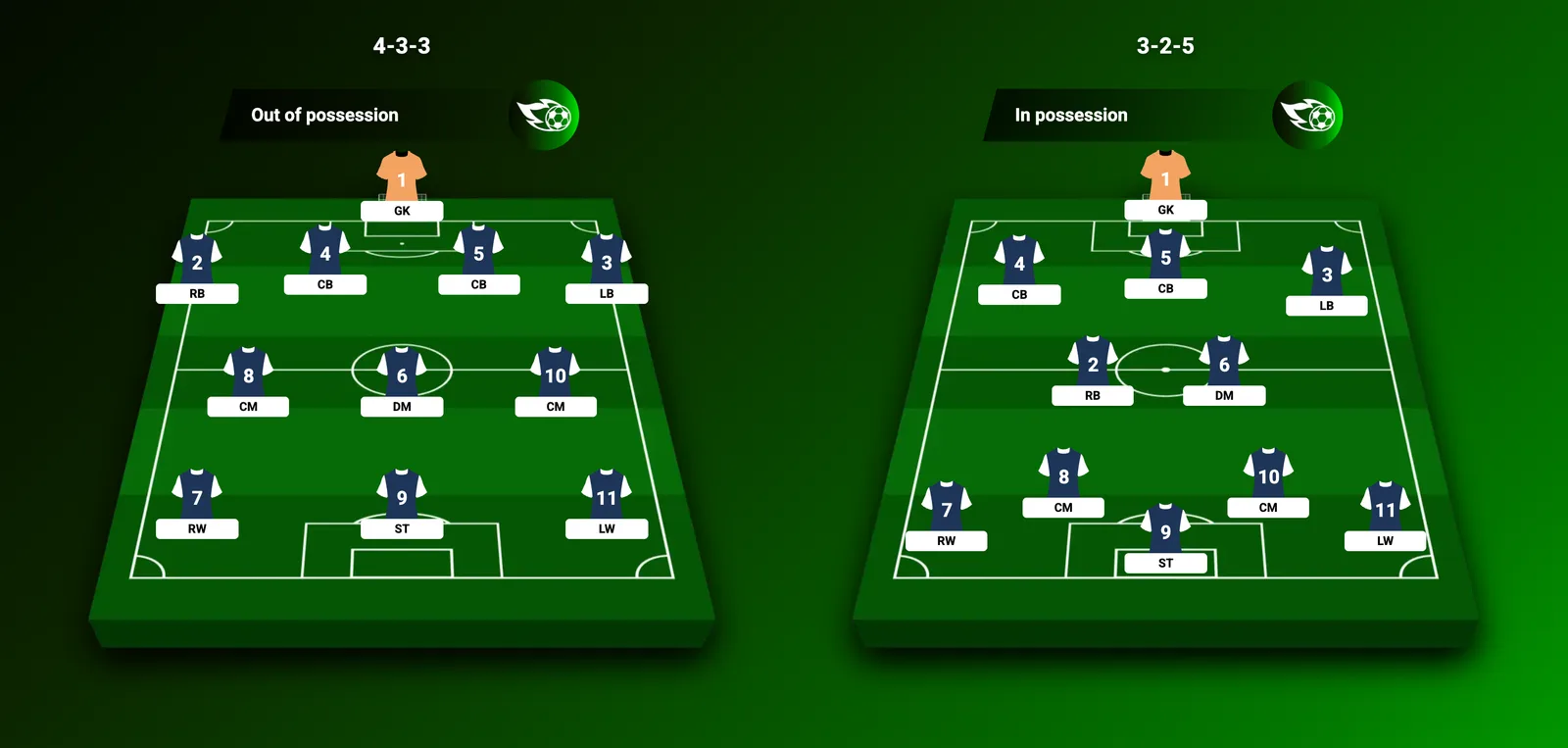
Got the boots sorted? The next thing that decides your match is where everyone stands. Our complete guide to football formations walks through every system and which players it suits, and you can map your own side out in seconds with the Quick Lineup builder.